
Starting a Self-Sufficient Lifestyle in Australia: Embrace Freedom and Nature

Imagine waking up to the gentle hum of nature, the scent of fresh herbs in the air, and the satisfaction of knowing you’ve grown your own food, harnessed your own energy, and created a home that thrives on its own terms. Starting a self-sufficient lifestyle in Australia is not just a dream for many; it’s a fulfilling journey that reconnects us with the earth and our own capabilities. Whether you’re drawn by the idea of reducing your environmental footprint, gaining independence, or simply living more mindfully, this path offers rich rewards.
Let’s explore how you can begin this adventure, step by step, with practical advice and heartfelt encouragement.
Embracing a Self-Sufficient Lifestyle in Australia: The First Steps
Starting a self-sufficient lifestyle in Australia means more than just growing a few vegetables or keeping a couple of chickens. It’s about creating a sustainable ecosystem around your home that supports your needs with minimal reliance on external resources. The good news? Australia’s diverse climates and landscapes offer plenty of opportunities to tailor your approach.
Here’s how I suggest you begin:
Assess your current situation: Look at your property, your skills, and your goals. Are you in a city with a small backyard, or do you have acreage in a rural area? Each setting has unique possibilities.
Start small and build gradually: Maybe begin with a vegetable garden or a compost bin. These small wins build confidence and knowledge.
Learn about local plants and animals: Native species often require less water and care, making them perfect for sustainable living.
Connect with local communities: Join forums, attend workshops, or visit farmers’ markets to meet like-minded people and share experiences.
Remember, this is a journey, not a race. Every seed you plant and every skill you learn brings you closer to a life of independence and harmony with nature.

What Does a Self-Sufficient Lifestyle in Australia Look Like?
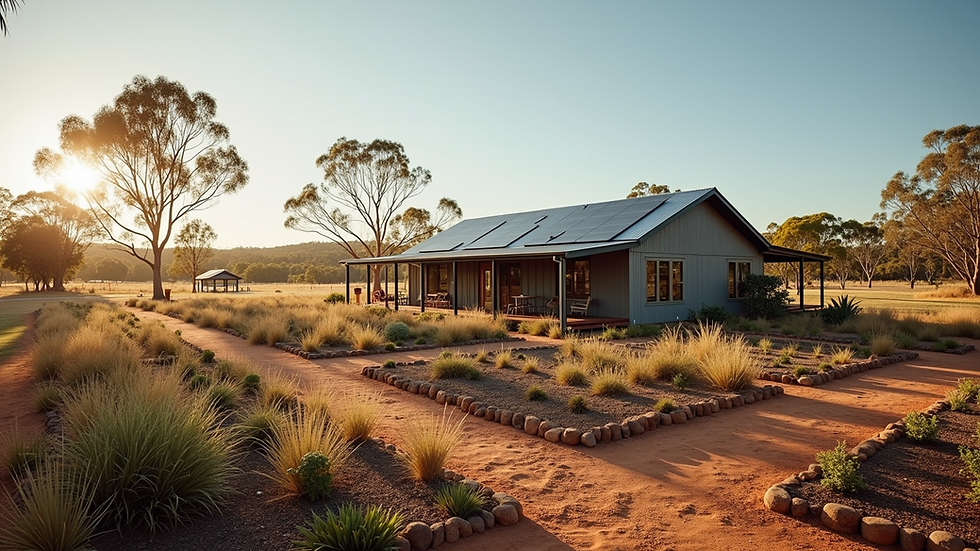
When I think about a self-sufficient lifestyle in Australia, I picture a blend of traditional homesteading and modern eco-friendly practices. It’s about balancing the old and the new, using technology wisely while respecting natural cycles.
Here are some key elements you might consider:
Food production: Growing your own fruits, vegetables, and herbs is foundational. Many Australians also keep chickens for eggs or bees for honey.
Water management: Rainwater tanks and greywater recycling help conserve precious water, especially in drier regions.
Energy independence: Solar panels and battery storage systems can reduce or eliminate your reliance on the grid.
Natural building and insulation: Using local materials and passive design principles keeps your home comfortable year-round.
Waste reduction: Composting, recycling, and repurposing materials minimize your environmental impact.
Each of these components can be adapted to your lifestyle and location. For example, in coastal areas, you might focus on salt-tolerant plants, while inland properties might prioritize drought-resistant species.
If you’re curious about how others have made this work, exploring self sufficient living australia resources can provide inspiration and practical tips.
How Much Land Do You Need to Be Self-Sufficient in Australia?
One of the most common questions I hear is: How much land do I really need to live self-sufficiently in Australia? The answer depends on your goals, lifestyle, and the resources you want to produce.
Small-scale self-sufficiency: If you want to grow a significant portion of your own food and keep a few animals, a quarter to half an acre (about 1,000 to 2,000 square metres) can be enough. Intensive gardening techniques like permaculture and vertical gardening maximize space.
Full self-sufficiency: For complete independence, including food, energy, and water, you might need several acres. This allows room for orchards, livestock, water catchment, and renewable energy installations.
Urban homesteading: Even with a small backyard or balcony, you can practice many self-sufficient habits, such as container gardening, composting, and solar power.
Keep in mind that soil quality, climate, and water availability are just as important as land size. A smaller, well-managed plot can outperform a larger, neglected one.
Practical Tips to Kickstart Your Self-Sufficient Journey
Starting out can feel overwhelming, but breaking it down into manageable steps makes it enjoyable and achievable. Here are some practical tips I’ve found helpful:
Plan your garden with the seasons in mind: Australia’s climate varies widely, so choose plants suited to your region and plant at the right time.
Invest in quality soil and compost: Healthy soil is the foundation of a thriving garden. Start composting kitchen scraps and garden waste to enrich your soil naturally.
Harvest rainwater: Installing a rainwater tank is a smart investment, especially in areas prone to drought.
Start with easy-to-grow crops: Tomatoes, lettuce, beans, and herbs are great for beginners.
Learn to preserve your harvest: Canning, drying, and freezing extend the life of your produce and reduce waste.
Consider small livestock: Chickens, ducks, or rabbits can provide eggs, meat, and fertilizer.
Use renewable energy: Solar panels are increasingly affordable and can power your home sustainably.
Practice natural pest control: Encourage beneficial insects and use organic methods to protect your plants.
Remember, mistakes are part of the learning process. Each challenge teaches you something new about your land and yourself.
Cultivating a Mindset for Long-Term Success
Living self-sufficiently is as much about mindset as it is about skills and resources. It requires patience, resilience, and a willingness to adapt. Here are some reflections to keep in mind:
Celebrate small victories: Every sprout, every egg, every sunny day counts.
Stay curious and keep learning: Attend workshops, read books, and connect with others on the same path.
Be gentle with yourself: This lifestyle is a journey, not a destination. Progress may be slow, but it’s meaningful.
Embrace creativity: Use your artistic spirit to design your space, experiment with recipes, or craft homemade remedies.
Connect deeply with nature: Spend time observing the rhythms of your garden and the wildlife around you.
By nurturing this mindset, you’ll find joy not only in the results but in the process itself.
Your Self-Sufficient Lifestyle Awaits
Starting a self-sufficient lifestyle in Australia is a beautiful way to reclaim your independence and deepen your connection to the land. It’s a path filled with learning, growth, and the simple pleasures of living in tune with nature.
Whether you have a sprawling rural property or a modest urban garden, the principles remain the same: care for your soil, conserve your resources, and cultivate patience. With each step, you’ll build a home that supports you and the environment in harmony.
So, why not take that first step today? Plant a seed, collect some rainwater, or simply dream about the life you want to create. The journey to self-sufficiency is waiting, and it’s more accessible than you might think.
Here’s to your adventure in self sufficient living australia - may it be as rewarding as it is inspiring.


Comments